DIY Vinegar Weed Killer Recipe: Scale It to Any Batch Size
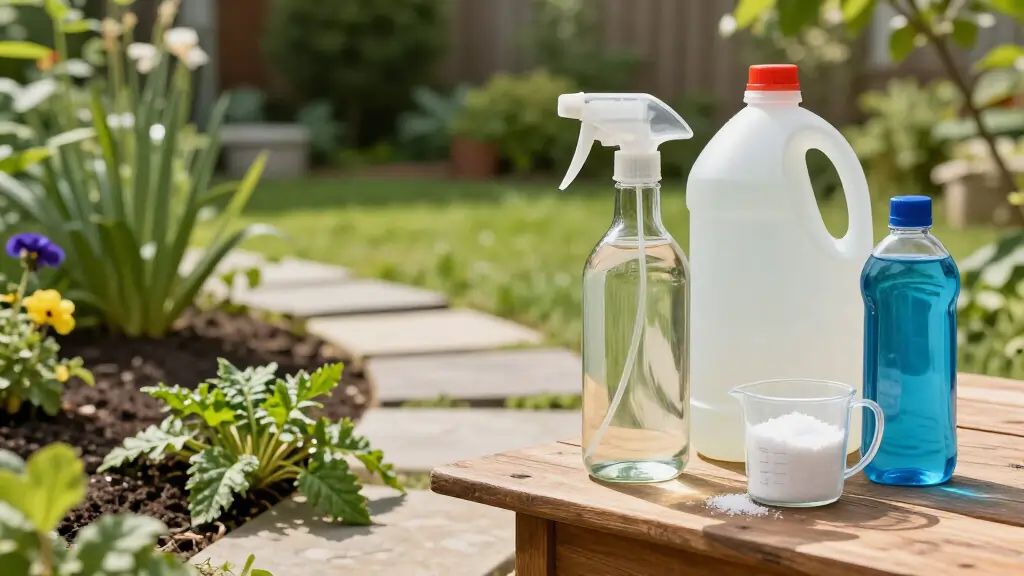
Weeds don't care about your garden plans. They show up uninvited, grow fast, and laugh at polite requests to leave. The good news is you don't need a chemistry degree or a hazmat suit to get rid of them. This four-ingredient homemade vinegar weed killer, made with 30% horticultural vinegar, salt, dish soap, and water, is one of the most popular natural herbicide recipes around, and for good reason. It's cheap, effective on contact, and you probably have most of the ingredients already.
The catch? Most recipes online give you one fixed batch size. Too much and you're wasting product. Too little and you're making a second trip to the shed. That's where the recipe scaler below comes in handy.
How To Use the Recipe Scaler
The recipe is already loaded in the widget below. Here's how to put it to work: Scale by any ingredient. Say you only have a half-gallon of 30% vinegar on hand. Enter your amount, and every other ingredient scales to match automatically. Scale by batch size. Want to mix up a full gallon, or just a quart for a small job? Adjust the total yield and the individual amounts update instantly.
Do quick math on the fly. The input fields accept basic math operators (+ - / *), so you can type something like "32/3" directly into a field and it will calculate the result for you. No separate calculator needed. Convert units. Switch between ounces, cups, gallons, or liters with a click while the recipe is locked. Useful if your measuring tools don't match the units in the recipe.
Recipe Details
This formula has four ingredients, and each one pulls its weight.
30% Horticultural Vinegar is the active ingredient doing the real work here. Regular white vinegar from the grocery store is about 5% acetic acid, which is fine for salad dressing but barely inconveniences a weed. Horticultural vinegar runs at 30% acetic acid, which is strong enough to burn plant tissue on contact and kill the above-ground portion of the weed quickly. It's widely available at garden centers and online. Handle it carefully; at that concentration it can irritate skin and eyes.
Salt (Sodium Chloride) helps dehydrate the plant and, when used repeatedly, can discourage regrowth in the soil. Keep in mind that salt persists in the soil, so use it sparingly around areas where you plan to grow anything else. It's best suited for driveways, gravel paths, sidewalk cracks, and other "nothing should grow here" zones.
Dish Soap acts as a surfactant. In plain terms, it breaks the surface tension of the mixture so it sticks to waxy or glossy leaves instead of beading up and rolling off. A small amount goes a long way; more soap doesn't mean better results.
Water dilutes the mixture to a workable concentration and helps distribute the other ingredients evenly.
The scaler above lets you adjust from there based on what you have or how big the job is. A typical base ratio for this recipe is:
- 1 gallon of 30% vinegar
- 1 cup of salt
- 1 tablespoon of dish soap
- 1 cup of water
Tips for Best Results
- Apply on a sunny, dry day. This weed killer works by contact, so you want it to stay on the leaves and dry in place. Rain or heavy dew within a few hours of application will wash it off before it can do its job.
- Target young weeds. Established weeds with deep root systems may die back above ground but regrow from the roots. Younger, smaller weeds are easier to kill completely. For stubborn perennials, repeated applications work better than one heavy dose.
- Be precise with your spray. This formula will kill or damage any plant it touches, not just the weeds. Use a targeted sprayer, not a wide mist, and shield nearby plants if needed.
- This is not a soil sterilizer, but close enough in the wrong spot. The salt component lingers. If you're treating a garden bed where you want to replant, skip the salt or reduce it significantly and lean harder on the vinegar concentration.
- Reapplication may be needed. Dense or mature weeds often need a second treatment three to five days after the first. Check back and hit any survivors while they're still stressed from the initial application.
You should also read:
How to Scale Your Thanksgiving Mashed Potato Recipe
You've probably made mashed potatoes for a small crowd and nailed them perfectly, only to panic when Thanksgiving dinner suddenly balloons from eight people to twenty. The good news? Scaling mashed potatoes isn't rocket science—it's just ratios. Once you understand how butter, cream, and potatoes…
Continue reading...